
In the quest for homeownership, the dream of owning a comfortable, stylish, and affordable home often feels just out of reach for many. Yet, nestled within the evolving landscape of real estate, manufactured homes emerge as an attractive option, offering a pathway to affordable living without sacrificing quality or style. This article aims to shed light on this modern housing solution, which has seen a remarkable evolution from its humble beginnings to become a sought-after option for individuals and families alike.
Manufactured homes, once known as mobile homes, have transcended their stereotypes to offer unparalleled flexibility, innovation, and, most importantly, affordability. These homes are constructed in a factory setting under stringent quality control standards before being transported and assembled at their final location. This process not only ensures a high standard of craftsmanship but also significantly reduces costs, making the dream of homeownership a tangible reality for many.
But affordability does not come at the expense of customization or style. Today’s manufactured homes boast a myriad of design options, from traditional to contemporary, ensuring that every homeowner can find a home that fits their unique taste and needs. Furthermore, with a growing focus on sustainability, many manufactured homes now offer energy-efficient features that benefit both the planet and the homeowner’s wallet.
As we delve into this guide, we will explore the benefits of choosing manufactured homes, navigate the purchase process, and provide valuable insights into installation, setup, and what it means to live in a manufactured home. Whether you’re a first-time homebuyer, looking to downsize, or simply in search of an affordable living option, this guide aims to unlock the door to your future home, demonstrating that quality, comfort, and affordability can indeed go hand in hand.
Introduction to Affordable Manufactured Homes

The concept of manufactured homes has evolved significantly over the years, transforming the way we think about affordable housing. These homes are built in a factory setting, where they benefit from the efficiency of assembly line production, including the use of precise machinery and bulk purchasing of materials, which significantly reduces waste and cost. Unlike traditional homes, which are built on-site and subject to various external factors like weather delays and labor shortages, manufactured homes are constructed in a controlled environment, leading to more predictable timelines and costs.
Definition and Overview
Manufactured homes are dwellings constructed in a factory and then transported to a site where they are installed or assembled. These homes must comply with the U.S. Department of Housing and Urban Development (HUD) Code, which sets standards for design, construction, durability, and performance. This code ensures that manufactured homes are safe, reliable, and built to last, offering homeowners peace of mind.
The Appeal of Manufactured Homes in the Context of Affordable Living
One of the most compelling aspects of manufactured homes is their affordability. They typically cost less per square foot than traditional stick-built homes, making them an attractive option for first-time buyers, retirees, or anyone looking to maximize their budget without compromising on quality or lifestyle.
In addition to cost savings, the manufacturing process allows for a high degree of customization. Homebuyers can choose from various floor plans and design options, tailoring their homes to meet their specific needs and preferences. This flexibility ensures that affordable living doesn’t mean settling for a one-size-fits-all solution.
Moreover, the stigma once associated with manufactured homes has faded, thanks to advancements in design and quality. Modern manufactured homes are indistinguishable from their site-built counterparts, featuring similar architectural styles, materials, and finishes. This evolution has made them a viable and desirable option for homeowners seeking affordable, customizable, and quality housing solutions.
The growing popularity of manufactured homes reflects a broader shift towards more sustainable and efficient living. By offering a cost-effective path to homeownership, manufactured homes play a crucial role in unlocking affordable living for countless individuals and families, providing them with the opportunity to achieve their dream of owning a home without breaking the bank.
The Benefits of Choosing Affordable Manufactured Homes
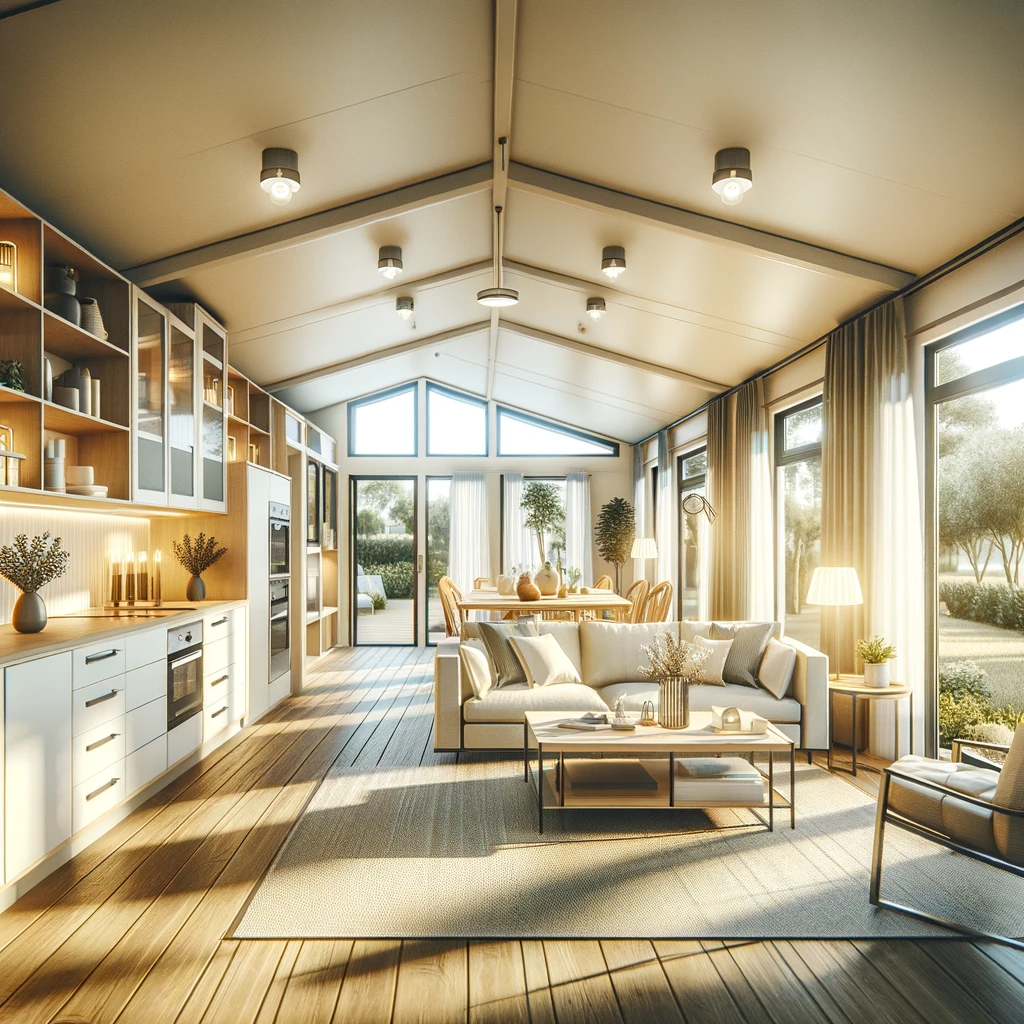
As the housing market continues to evolve, manufactured homes stand out as a beacon of innovation, offering an array of benefits that cater to the modern homeowner’s needs. These benefits not only encompass affordability but also extend to customization, sustainability, and much more, positioning manufactured homes as a smart choice for a wide range of buyers.
Cost-effectiveness Compared to Traditional Housing
One of the most significant advantages of manufactured homes is their cost-effectiveness. On average, manufactured homes can cost up to 20-30% less than traditional stick-built homes, making homeownership accessible to a broader demographic. This price difference arises from the efficiencies of factory production, including reduced material waste and optimized labor use. The savings don’t end at purchase; manufactured homes also tend to have lower taxes and insurance costs, contributing to long-term affordability.
Customization Options and Flexibility
Gone are the days when manufactured homes offered limited design choices. Today, buyers can customize nearly every aspect of their home, from floor plans to finishes. Whether you’re looking for a compact, efficient layout or a spacious, multi-bedroom residence, manufactured homes provide the flexibility to meet diverse lifestyle needs. This level of customization ensures that every homeowner can create a space that truly feels like their own, without the premium price tag typically associated with custom-built traditional homes.
Sustainability and Energy Efficiency
Manufactured homes are leading the charge towards more sustainable housing. Many are built with eco-friendly materials and designed to minimize energy consumption, featuring high-efficiency heating and cooling systems, insulation, and windows. These energy-efficient measures not only reduce the home’s environmental impact but also translate into significant savings on utility bills. By choosing a manufactured home, homeowners can enjoy a greener lifestyle and contribute to a more sustainable future.
The Versatility of Manufactured Homes
Manufactured homes offer unparalleled versatility, making them suitable for various settings and purposes. Whether placed in a rural area, a suburban neighborhood, or a dedicated manufactured home community, these homes can adapt to different environments and requirements. This versatility also extends to their use, serving as primary residences, vacation homes, or even accessory dwelling units on existing properties, providing additional space for family members or rental income.
Building Community and Enhancing Lifestyle
Many manufactured homes are situated in planned communities, offering residents access to shared amenities such as parks, community centers, and swimming pools. These communities often foster a strong sense of belonging and provide opportunities for social engagement, enhancing the overall lifestyle of their residents. The combination of affordable housing, customization, sustainability, and community living makes manufactured homes an attractive option for those seeking a balanced and fulfilling lifestyle.
Navigating the Purchase Process of Affordable Manufactured Homes
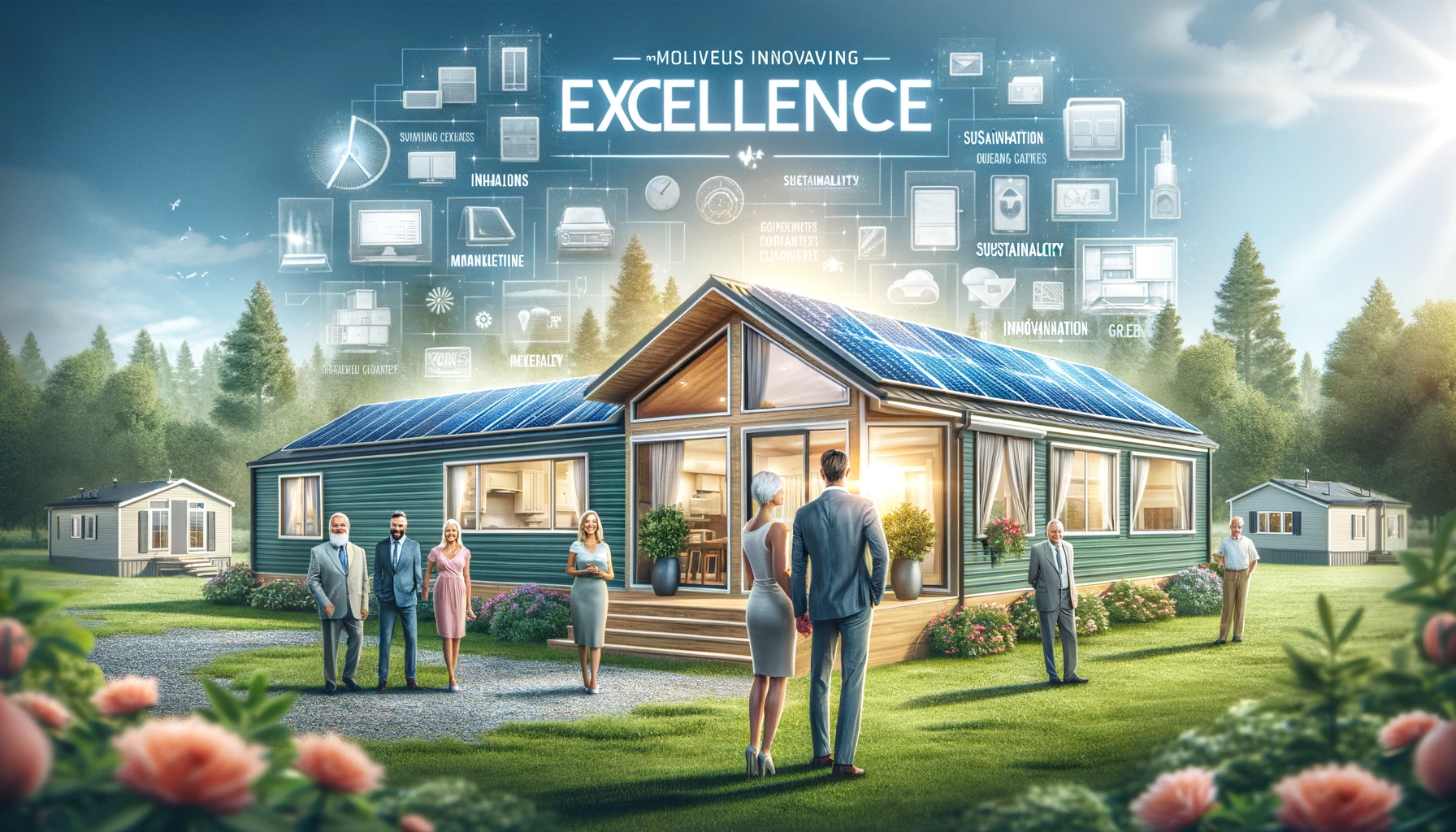
Embarking on the journey to purchase a manufactured home can be both exciting and daunting. Understanding the steps involved, from selecting the right home to financing it, is crucial for a smooth experience. This section will guide you through the essentials of the purchase process, ensuring you’re well-informed and ready to make the best decisions for your future home.
Steps to Selecting the Right Manufactured Home
- Determine Your Needs and Budget: Begin by assessing your needs, including size, layout, and specific features. Set a realistic budget that includes the cost of the home, land (if needed), and any site preparation work.
- Research Manufacturers and Dealers: Look for reputable manufacturers and dealers with positive reviews and a track record of quality. Visit model homes and showrooms to get a feel for different styles and layouts.
- Understand the Features and Options: Familiarize yourself with the standard features of the homes you’re considering, as well as available upgrades. This knowledge will help you customize your home to your preferences while staying within your budget.
Understanding Financing Options and Warranties
Financing a manufactured home can differ from financing a traditional site-built home. Here are key points to consider:
- Loans for Manufactured Homes: Various financing options are available, including chattel loans (personal property loans) for homes not permanently affixed to land and traditional mortgages for homes that are. Explore different lenders to find the best rates and terms.
- Warranties: Most new manufactured homes come with a manufacturer’s warranty, covering defects in workmanship or materials. Understand what’s covered under the warranty and for how long, as this can provide peace of mind and save on future costs.
Tips for Working with Manufacturers and Dealers
- Communication is Key: Maintain open lines of communication with your dealer or manufacturer throughout the process. Don’t hesitate to ask questions or express concerns.
- Inspect Before Acceptance: Once your home is delivered and installed, thoroughly inspect it before final acceptance. This ensures any issues can be addressed promptly.
- Understand the Contract: Carefully review all contracts and agreements before signing. Ensure you’re fully aware of what you’re committing to, including any obligations and the recourse available should issues arise.
Navigating the purchase process of a manufactured home requires due diligence, but it can lead to the fulfillment of owning an affordable, customized, and quality home. By understanding the steps involved, from selecting the right model to securing the best financing, you’re well on your way to unlocking the door to your new home.
Installation and Set-Up Considerations
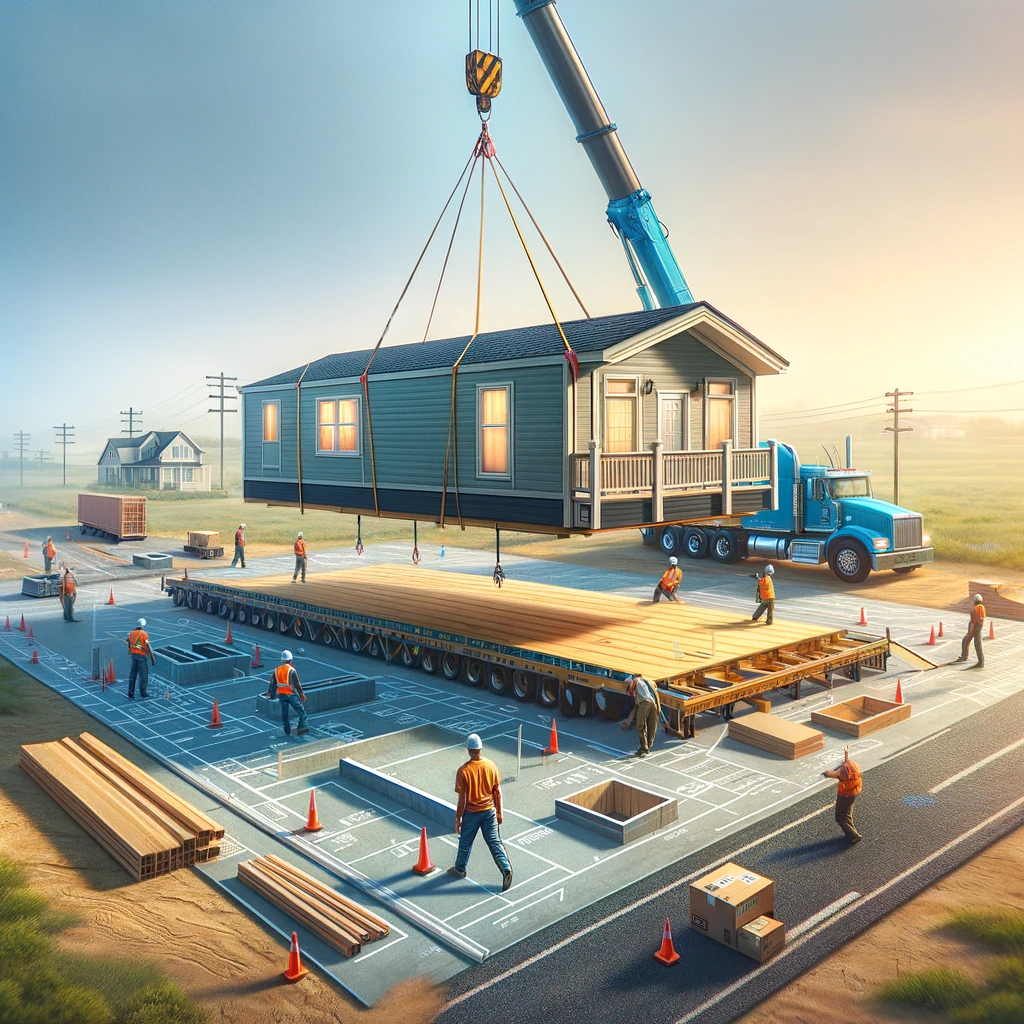
The journey to living in a manufactured home doesn’t end with the purchase; the installation and set-up phase is equally crucial. Proper installation ensures your home is safe, secure, and compliant with all local regulations. Here’s what you need to know about preparing for and executing the installation of your manufactured home.
Preparing Your Site: Land, Utilities, and Permits
Before your home arrives, the site must be prepared to welcome it. This preparation involves several steps:
- Land Preparation: The land should be cleared, leveled, and properly graded to ensure water drainage away from your home. It’s also essential to ensure the soil is stable enough to support your home without settling.
- Utilities: Arrange for the connection of essential utilities, including water, electricity, sewage, and gas. This may involve coordinating with local utilities companies and possibly extending services to your site.
- Permits: Obtain all necessary permits required by your local municipality. This typically includes permits for installation, electrical, plumbing, and possibly zoning. Compliance with local codes and regulations is paramount to avoid future legal and safety issues.
The Process of Transporting and Installing Your Manufactured Home
Transporting and installing a manufactured home is a complex process that requires expertise:
- Transportation: Your home will be transported to your site on specialized trailers. It’s crucial that the transportation is handled by professionals who understand how to navigate roads safely with such a large load.
- Installation: Once on site, the home must be carefully offloaded and placed on its foundation. This step often involves cranes and skilled technicians. The home is then secured, leveled, and, if applicable, joined with other sections.
Ensuring Compliance with Local Regulations and Standards
- Inspections: After installation, your home will likely undergo several inspections to ensure it meets local building codes and standards. These inspections may cover the foundation, electrical systems, plumbing, and more.
- Foundation and Anchoring: Depending on your location and the type of home, various foundations can be used, including pier, slab, or basement. The home must also be properly anchored to protect against wind and seismic forces.
- Final Steps: Once inspections are passed, final connections of utilities can be completed, and any additional exterior features (such as steps, decks, or skirting) can be added.
The installation and set-up of your manufactured home are pivotal in ensuring your safety and comfort. By understanding and properly managing this phase, you can look forward to many years of enjoyment in your new home.
Living in a Manufactured Home: What to Expect
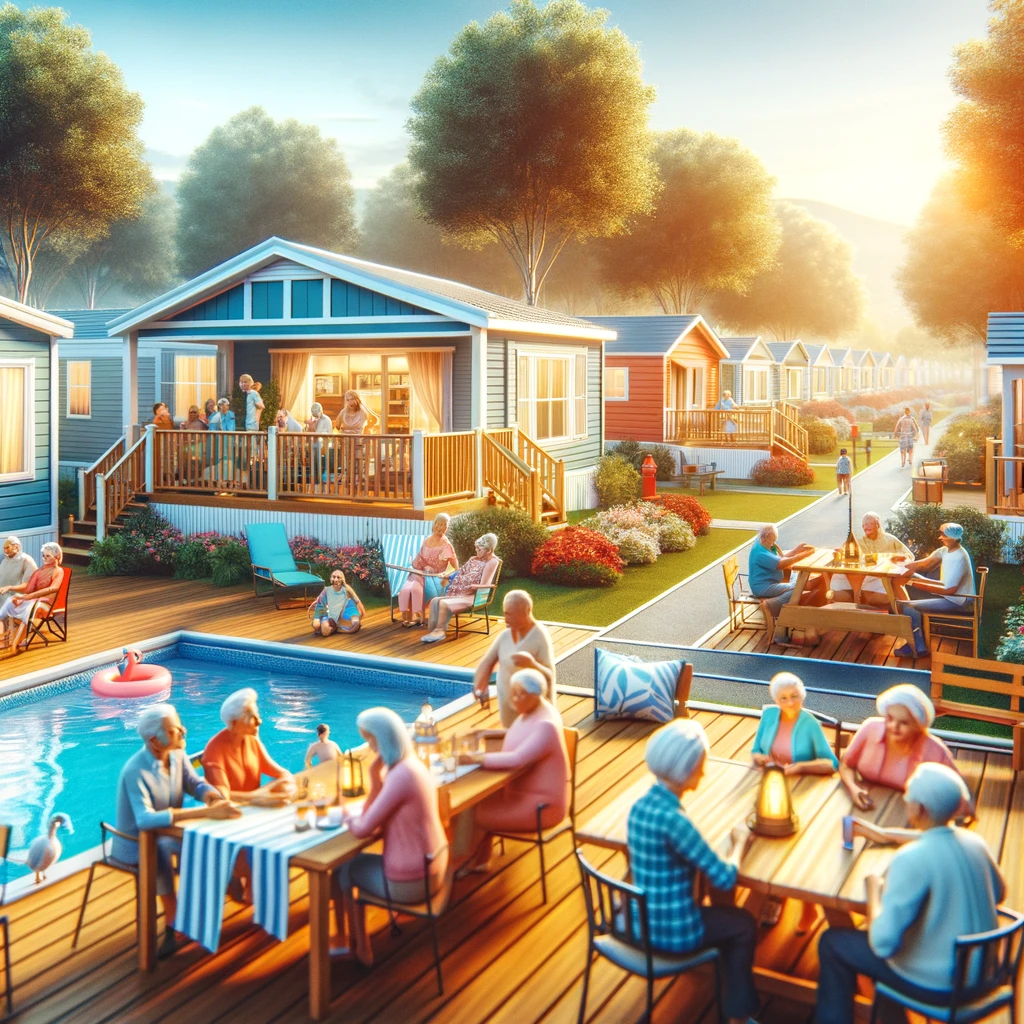
Transitioning to living in a manufactured home presents a unique set of experiences and benefits. Understanding what to expect can help you make the most of your new living situation, from maintenance and community aspects to the potential for future upgrades.
Maintenance Tips and Enhancing Longevity
- Regular Inspections: Conduct regular inspections of your home’s exterior and interior. Look for any signs of wear, such as leaks, cracks, or insulation issues, and address them promptly to prevent further damage.
- Proper Ventilation: Ensure your home has adequate ventilation to prevent moisture buildup, which can lead to mold and mildew. This is particularly important in kitchens, bathrooms, and laundry areas.
- Skirting Maintenance: Skirting around the base of your manufactured home not only enhances its appearance but also protects the underside from animals and weather. Check it regularly for damage or openings.
Community Aspects and Lifestyle Benefits
Many manufactured homes are located within communities that offer shared amenities, such as pools, clubhouses, and playgrounds, fostering a sense of belonging and social interaction. These communities often organize events and activities, providing a vibrant social life and the opportunity to form lasting friendships.
Resale Value and Upgrading Your Manufactured Home
- Improving Resale Value: Just like traditional homes, manufactured homes can appreciate in value. Keeping your home well-maintained, updated, and aesthetically pleasing can enhance its resale value.
- Upgrades: Manufactured homes can be upgraded over time. Whether it’s adding a deck, a garage, or interior remodeling, these improvements can increase comfort, functionality, and value.
Living in a manufactured home offers a blend of affordability, community, and flexibility. With the right maintenance and upgrades, it can continue to be a comfortable and valuable asset for years to come. Embracing the unique aspects of manufactured home living can lead to a rewarding and enriching lifestyle, proving that affordable housing doesn’t have to compromise on quality or comfort.
Embracing the Future of Affordable Living
As we’ve explored the world of manufactured homes, it’s clear that they represent more than just an affordable housing option; they embody a future where quality, customization, and community go hand in hand with cost-effectiveness. The journey to homeownership no longer needs to be fraught with compromises on space, style, or sustainability. Manufactured homes offer a versatile solution that meets the diverse needs of today’s families, singles, and retirees, providing a pathway to owning a home that is both accessible and appealing.
From understanding the appeal and benefits of manufactured homes, navigating the purchase process, to the installation and the vibrant life within these communities, it’s evident that manufactured homes are a viable and attractive option for many. They challenge the traditional perceptions of affordable housing, proving that you can indeed have a home that is both budget-friendly and beautiful.
For those considering a manufactured home, the journey is not just about finding a place to live but discovering a lifestyle that values community, sustainability, and affordability. As we look towards the future, manufactured homes stand out as a beacon of innovation in the housing industry, offering a promising solution to the pressing need for accessible and sustainable living spaces.
In embracing manufactured homes, we’re not just unlocking affordable living; we’re opening the door to a new way of life that prioritizes what truly matters: home, community, and a sustainable future. Let’s step forward together into this promising horizon, where every individual and family can find their place to call home.