
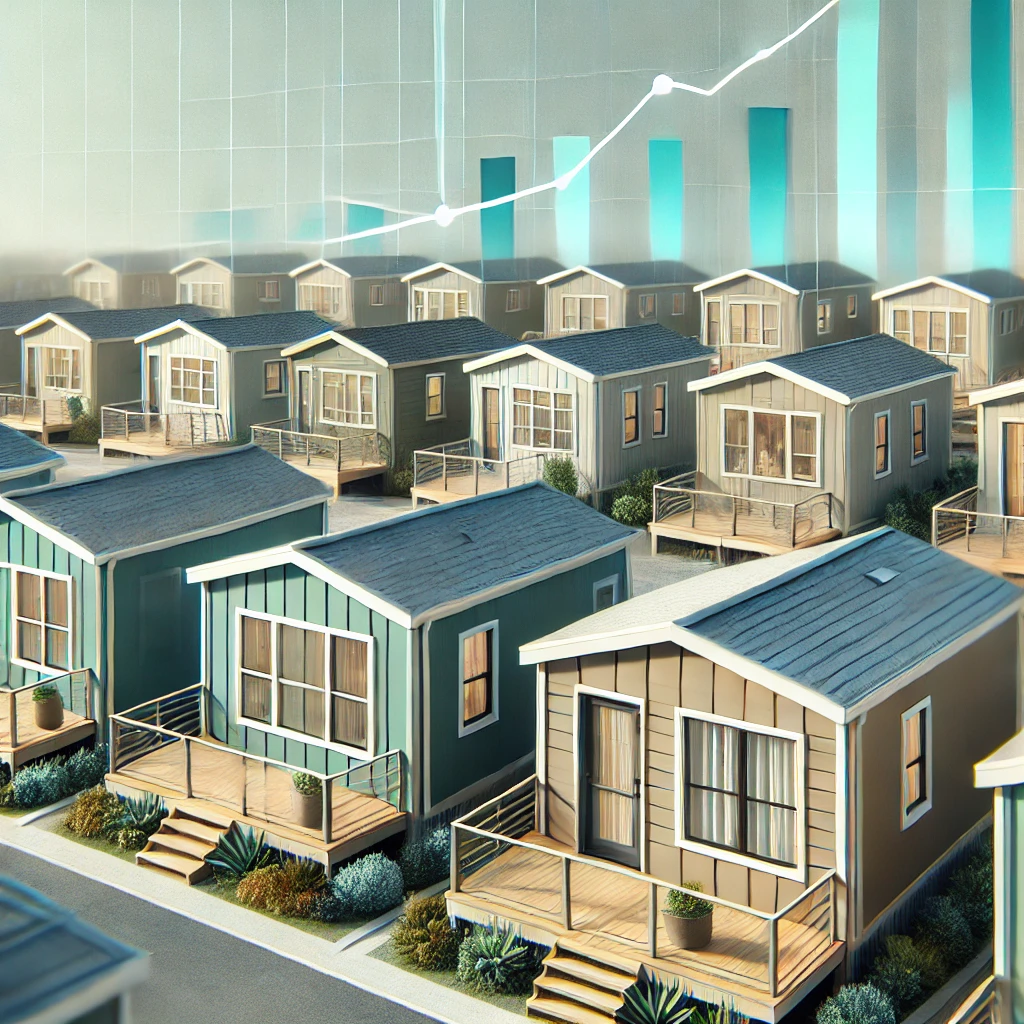
The surge in popularity of manufactured homes can be attributed to several key economic factors that have reshaped the housing market. Understanding these factors is crucial for grasping the dynamics driving this trend and its implications for both homebuyers and the real estate industry.
1. Affordability in a Tight Housing Market
One of the primary economic drivers behind the rise of manufactured homes is affordability. In many regions, traditional stick-built homes have become increasingly expensive, placing them out of reach for a significant portion of the population. This is particularly true in urban areas where land and construction costs are high.
Manufactured homes, on the other hand, offer a more affordable alternative. The cost of constructing a manufactured home is generally lower than that of a site-built home, making them an attractive option for first-time homebuyers, retirees, and individuals on a tight budget. The ability to own a home at a fraction of the cost has fueled the demand for manufactured homes, especially in markets where traditional housing is prohibitively expensive.
2. Flexibility and Customization at Lower Costs
Another economic factor driving the popularity of manufactured homes is the flexibility they offer at lower costs. Modern manufactured homes are not the cookie-cutter structures of the past. Advances in construction technology have made it possible to customize these homes to a high degree, allowing buyers to tailor their home to their specific needs and preferences.
Compared to traditional construction, the assembly line process used for manufactured homes enables greater efficiency and cost control. This means that buyers can incorporate custom features, such as energy-efficient upgrades or luxury amenities, at a fraction of the cost of a site-built home. The ability to achieve a personalized living space without the hefty price tag has made manufactured homes an attractive option for a wide range of homebuyers.
3. Rapid Construction and Time Savings
The speed of construction is another economic factor that has contributed to the appeal of manufactured homes. Unlike traditional homes, which can take months or even years to build, manufactured homes are constructed in a fraction of the time. This rapid turnaround offers several economic advantages.
For homebuyers, faster construction means quicker occupancy, which is particularly appealing for those in urgent need of housing. It also reduces the carrying costs associated with long construction periods, such as rent for temporary accommodation or the ongoing expenses of owning an existing home while waiting for a new one to be built.
From a macroeconomic perspective, the efficiency of manufactured home construction helps alleviate housing shortages more quickly. In high-demand markets, this rapid supply response can moderate price increases and improve overall housing affordability, benefiting both buyers and the broader community.
4. Evolution of Quality and Design
The evolution of quality and design in manufactured homes has been a significant factor in their growing acceptance. Modern manufactured homes are built to rigorous safety and quality standards, often surpassing the requirements for traditional site-built homes. This shift has helped overcome the stigma that was once associated with manufactured housing, particularly in terms of durability and resilience.
From an economic standpoint, the improved quality of manufactured homes has expanded their appeal to a broader market. Homebuyers are no longer forced to choose between affordability and quality, as today’s manufactured homes offer both. This has led to increased demand, with many buyers recognizing the economic value of a home that is not only affordable but also well-constructed and designed.
The surge in popularity of manufactured homes is driven by a confluence of economic factors that have reshaped the housing landscape. Affordability, flexibility, rapid construction, and improved quality have made manufactured homes a compelling option for a wide range of homebuyers. As these economic trends continue to influence the real estate market, the role of manufactured homes is likely to expand, offering a viable solution to the challenges of housing affordability and supply.